
A final table poker strategy guide can sharpen decisions when the blinds rise and every mistake carries more cost, but no system removes uncertainty from the game. For Australian adults, the useful approach combines position discipline, bankroll control and a clear read on table dynamics. This guide examines that strategic core, where it works best and the trade-offs players should understand before committing another big blind.
Strategy That Holds Up Under Pressure

The best final table poker strategy is less about memorising fashionable openings than building repeatable decisions. As the table shrinks, hidden information becomes scarcer, opponents become more predictable and the value of position increases sharply. A player on the button can see what happens before acting, while someone on the button in a six-handed game has only two players to navigate.
That makes final-table play an exercise in pressure management. Calling ranges should reflect the pot size, the stack sizes and the realities of multiway pots. Betting too often merely to see where you stand weakens your strategy, just as firing an oversized wager to “buy” a fold can isolate you against the one opponent best positioned to continue.
Useful guides also explain how to adjust when an aggressive player gains momentum. For players comparing Australian gaming brands and platform options, this Wildcard City overview offers a practical reference point for assessing everyday usability. The key is to judge the poker product on clarity, speed and responsible controls – not promotional promises.
Building a Final Table Strategy
Position and pot control
Position is the organising principle of a strong final table poker strategy. Act last whenever possible, observe how much each opponent invests and use that information to calibrate your range. In a three-handed pot, button play expands, while short stacks may need a push-or-fold approach that accepts fewer marginal situations.
Pot control matters just as much. Betting with a strong range can generate value, but a small wager can also discourage an aggressive opponent from applying pressure. By contrast, checking a weak made hand can be sensible when the player behind has a narrow range. There is no single correct size; the aim is to make future decisions easier.
A compact final-table checklist helps:
- Protect your stack by entering strong pots selectively.
- Use position to collect information before committing chips.
- Adjust continuation ranges when a player is short.
- Treat highly aggressive play as information, not an instruction.
- Keep a bankroll limit for uncertain sessions.
Reading the table’s strongest player
Final tables often settle around one player who creates most of the difficulty. Identify whether that opponent is methodical, hyper-aggressive or prone to tilting. A tight-aggressive player can be attacked with disciplined value bets, whereas a loose player may punish passive approaches. Annika King, Strategy Director at Swan River Interactive, puts the practical case plainly: “At the final table, discipline has to survive distraction, short stacks and bad runouts.” Her observation is especially relevant in online play, where each hand can arrive faster than at a Newcastle cardroom.
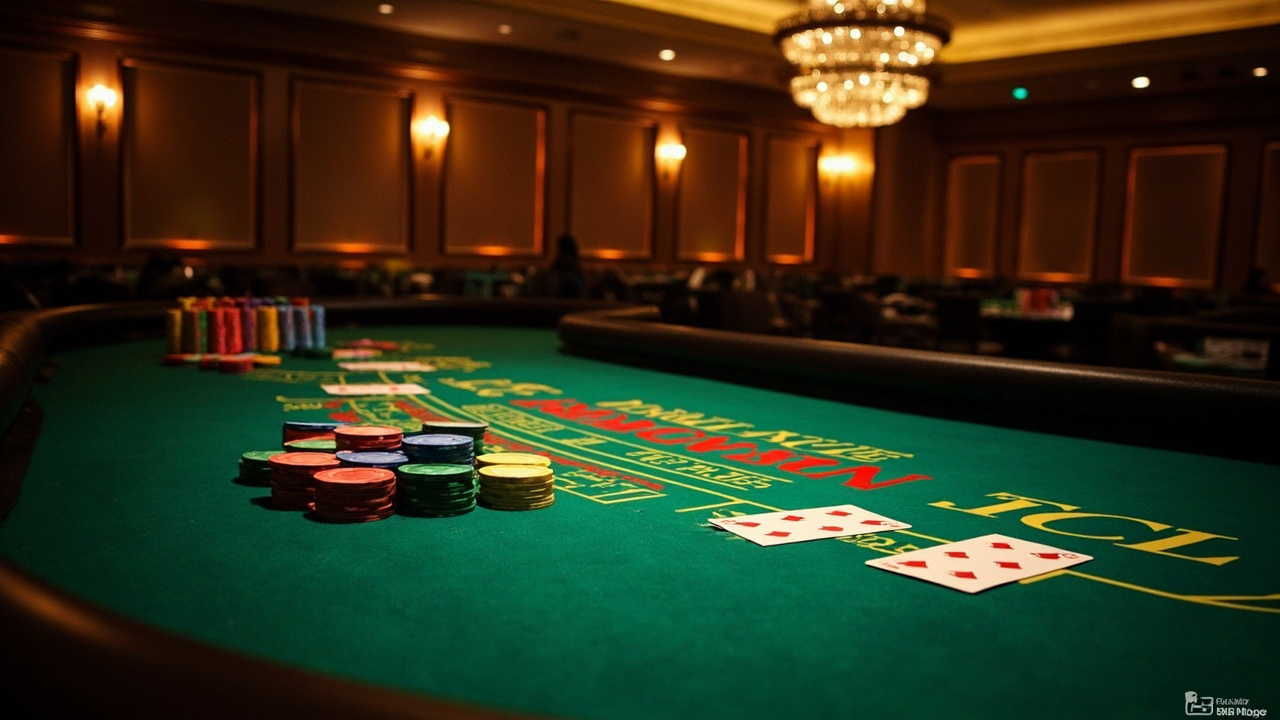
Timing also changes the calculation. A call that looks correct with six players may be too expensive when the blinds are larger and fewer competitors remain. Short stacks increase the value of pressure, but they can also make other players cautious about committing chips without a substantial edge.
Bankroll and emotional control
A sound bankroll is the quiet foundation of any final table poker strategy. If a normal buy-in equals 40 buy-ins at the relevant stakes, a player can absorb losing sessions without immediately changing strategy. Losing two consecutive buy-ins is painful, not proof that the next tournament must be played. No system guarantees a place in the money, and chasing a result can turn a disciplined process into an expensive habit.
Pause when fatigue, frustration or distraction affects decisions. Set a session limit, leave the table when that limit is reached and avoid “one more spin” thinking. In a real-money environment, the same rules apply: choose stakes that fit the bankroll, verify account details through the authorised operator and never treat gambling as income.

Who Benefits Most from This Strategy?
This approach fits recreational tournament players, cash-game regulars and experienced strategists refining their final table habits. It is particularly useful for players who already understand hand selection and pot odds but struggle with changing their approach when blinds rise. The information can be applied across common formats, including tournaments, sit-and-go games and deep-staked cash games, provided the rules and table conditions are checked.
For Australian readers, the local context matters. Poker machine legalisation in NSW clubs began under Premier Cahill in 1956, establishing a long history of regulated gaming in the state. That heritage is distinct from online poker, where access and legality depend on the platform and jurisdiction; it should not be used to imply that an offshore casino is licensed or regulated in Australia. The Star Entertainment brand operates casinos across Australia’s east coast, giving players a tangible local reference when comparing physical gaming experiences with digital offerings.
The strongest final table poker strategy guide will not promise effortless wins or suggest that one betting pattern suits every table. It will show how to gather information, size bets, respect the bankroll and remain composed when the stakes rise. Used with realistic expectations and Australian legal context in mind, that is a valuable starting point for adults 18+ who play responsibly.